
How to Plan Balanced Meals Without Stress: A Simple Guide
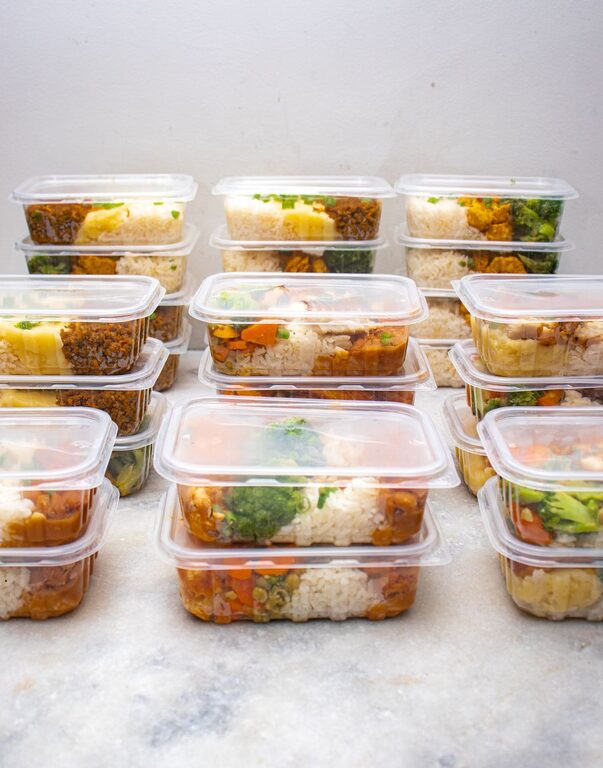
Eating well is essential for feeling energized and maintaining good health, but planning balanced meals can sometimes feel stressful or time-consuming. Whether you’re managing a busy schedule, feeding a family, or just wanting to improve your nutrition, creating nutritious meals without the hassle is possible with a little organization and know-how. This guide will walk you through practical steps to plan balanced meals without stress.
What Is a Balanced Meal?
A balanced meal includes a variety of foods that provide all the essential nutrients your body needs. Generally, it consists of:
– Proteins: such as lean meats, beans, tofu, or fish
– Carbohydrates: preferably whole grains like brown rice, quinoa, or whole wheat bread
– Healthy fats: like olive oil, nuts, or avocados
– Fruits and vegetables: a colorful mix to provide vitamins, minerals, and fiber
– Dairy or dairy alternatives: for calcium and vitamin D (optional depending on dietary preferences)
Including these components helps support energy levels, muscle repair, brain function, and overall wellness.
Step 1: Start With a Weekly Meal Plan
Planning your meals ahead is the cornerstone of stress-free healthy eating.
– Choose a day to plan: Sunday or any day that suits your schedule works well.
– Use a template or app: Meal planning templates or apps can simplify the process.
– List your meals: Plan breakfast, lunch, dinner, and snacks for the week.
– Consider leftovers: Make larger portions to use for next-day lunches or dinners.
By knowing what you’ll eat each day, you avoid last-minute decisions and reduce the temptation of unhealthy options.
Step 2: Keep Your Kitchen Stocked With Essentials
Having key ingredients on hand makes cooking balanced meals easier and quicker.
– Proteins: Eggs, canned beans, frozen chicken breasts, or tofu
– Whole grains: Brown rice, whole-wheat pasta, oats
– Vegetables: Fresh, frozen, or canned without added salt
– Fruits: Fresh, frozen, or dried (without added sugar)
– Healthy fats: Olive oil, nuts, seeds
When you have these staples ready, you can mix and match meals with little effort.
Step 3: Create Simple, Flexible Recipes
You don’t need complex recipes to eat well. Focus on easy meals that you can customize.
– Stir-fries: Combine a protein, veggies, and a grain.
– Salads: Use leafy greens, a protein source, and a variety of colorful toppings.
– One-pot dishes: Soups, stews, and casseroles save time and cleanup.
– Sheet pan meals: Roast your protein and veggies together on one tray.
Having a few go-to recipes helps reduce decision fatigue.
Step 4: Portion Your Meals Mindfully
Understanding portion sizes helps you balance your plate without overthinking.
– Fill half your plate with vegetables or salad.
– Allocate one-quarter for lean protein.
– Use the remaining quarter for whole grains or starchy vegetables.
– Add a small amount of healthy fats.
This visual guideline is simple and effective in creating balanced meals.
Step 5: Prepare in Advance When Possible
Batch cooking and prepping ingredients ahead of time can save lots of stress during the week.
– Chop vegetables and store them in containers.
– Cook grains or proteins in bulk.
– Portion snacks like nuts or fruit.
– Freeze meals for busy days.
Advance prep reduces cooking time and makes healthy choices more accessible.
Step 6: Listen to Your Body and Adjust
Balanced eating doesn’t mean perfection. Pay attention to hunger cues and enjoy your meals.
– Eat when you’re hungry, stop when satisfied.
– Include a variety of foods you like.
– Allow occasional treats without guilt.
Flexibility keeps meal planning sustainable and enjoyable.
Helpful Tips to Stay on Track
– Use a shopping list: Avoid impulse buys and make grocery trips efficient.
– Try theme nights: For example, Meatless Monday or Taco Tuesday to simplify choices.
– Mix new foods gradually: Introduce new fruits, veggies, or grains slowly.
– Stay hydrated: Drink water throughout the day to support digestion and fullness.
Conclusion
Planning balanced meals without stress is achievable by organizing your week, stocking essential ingredients, and keeping meals simple and flexible. With some preparation and mindful eating, you can enjoy nourishing food that supports your lifestyle without feeling overwhelmed. Start small, stay consistent, and watch how easy healthy eating can become.