
Tips for Choosing Comfortable Home Lighting
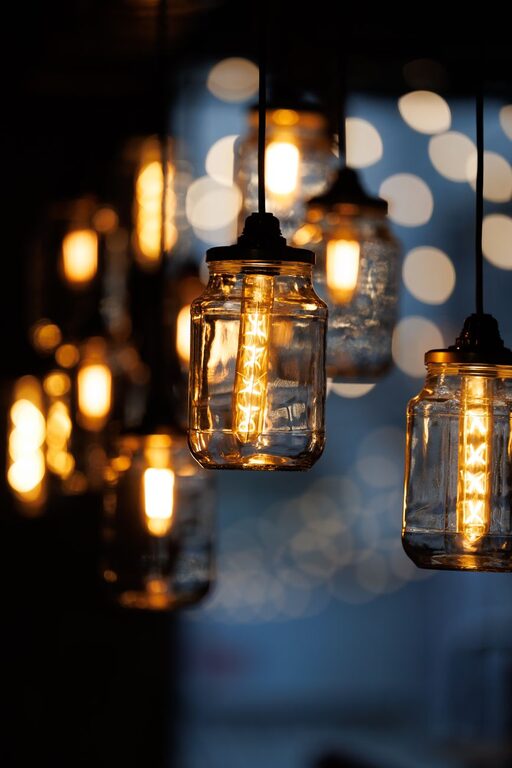
Creating a comfortable living environment starts with the details, and one of the most important details is lighting. Good home lighting does more than just illuminate a space; it sets the mood, supports activities, and can even influence your wellbeing. Choosing the right lighting for a comfortable home can seem overwhelming, given the many options available. This guide will help you understand essential factors to consider so you can select lighting that is both cozy and functional.
Why Comfortable Lighting Matters
Comfortable lighting helps reduce eye strain, promotes relaxation, and complements your home’s style. Harsh or overly bright lights can make a room feel sterile and uncomfortable, while dim or poorly placed lights can cause frustration. The goal is to find a balance that suits your daily activities and personal taste.
Understand the Types of Lighting
Before choosing fixtures, it’s helpful to understand the three main types of lighting used in homes:
1. Ambient Lighting
This is the general, overall light in a room. It provides sufficient illumination for everyday tasks and sets the base mood. Examples include ceiling-mounted fixtures, chandeliers, or recessed lighting.
2. Task Lighting
Focused lighting designed to assist with specific activities such as reading, cooking, or working at a desk. Desk lamps, under-cabinet kitchen lights, and vanity lights are common task lighting sources.
3. Accent Lighting
Used to highlight architectural features, artwork, or decorative objects. Accent lighting adds depth and visual interest to a room and can create a cozy atmosphere.
Tips for Choosing Comfortable Home Lighting
1. Consider the Color Temperature
Color temperature is measured in Kelvins (K) and significantly affects the mood of a room:
– Warm Light (2700K-3000K): Has a yellowish tone, offering a cozy and inviting atmosphere. Ideal for living rooms and bedrooms.
– Neutral Light (3500K-4100K): Looks more natural and is good for kitchens and bathrooms.
– Cool Light (5000K+): Bright and energizing, suitable for workspaces or garages but can feel harsh in living areas.
Choose warmer lights in most living spaces to promote relaxation and cool lights where precision is needed.
2. Opt for Adjustable Lighting
Having control over your lighting levels makes a huge difference in comfort. Consider installing dimmer switches or fixtures that offer multiple brightness settings. This flexibility lets you customize the mood from bright and functional to soft and ambient.
3. Use Multiple Light Sources
Instead of relying on one overhead fixture per room, use a mix of ambient, task, and accent lighting to create layers. This approach reduces shadows and glare, balances brightness, and allows you to adapt the lighting to different activities.
4. Pay Attention to Fixture Placement
Where you place your lights affects how comfortable a space feels:
– Avoid placing bright lights directly in your eyes.
– Use indirect lighting to soften glare.
– Position task lights close to the work area but out of the way.
– Use accent lights to draw attention to favorite decor pieces without overpowering the room.
5. Choose the Right Bulbs
LED bulbs are a popular choice due to their energy efficiency and long lifespan. When selecting bulbs:
– Look for bulbs with a high Color Rendering Index (CRI) of 80 or above, which means colors appear more natural under the light.
– Consider bulbs labeled as “soft white” for warmer tones.
– Select bulbs with suitable wattage to avoid overly bright or dim lighting.
6. Match Lighting Style with Room Function
Lighting style should reflect how each room is used:
– Living rooms and bedrooms: Aim for relaxed, warm lighting to create a peaceful vibe.
– Kitchens and bathrooms: Bright, clear light helps with cooking and grooming tasks.
– Home offices: Balanced lighting that reduces eye strain is essential for productivity.
7. Incorporate Natural Light
Maximize natural light during the day by keeping windows clear and using light-colored curtains or blinds. Natural light improves mood and reduces the need for artificial lighting.
8. Avoid Glare and Flicker
Glare and flicker can lead to headaches and eye fatigue. To minimize these issues:
– Choose diffused lighting fixtures or lampshades.
– Use bulbs with stable light output.
– Position lighting to avoid reflections on screens or glossy surfaces.
Final Thoughts
Comfortable home lighting is a blend of good design, function, and personal preference. By understanding the types of lighting and paying attention to color temperature, fixture placement, and bulb choice, you can create a welcoming atmosphere that suits your lifestyle. Don’t hesitate to experiment with different setups and use adjustable options to find what feels best for you.
Investing time in choosing the right lighting will pay off with a home that feels cozy, inviting, and perfectly lit for any occasion. Happy lighting!